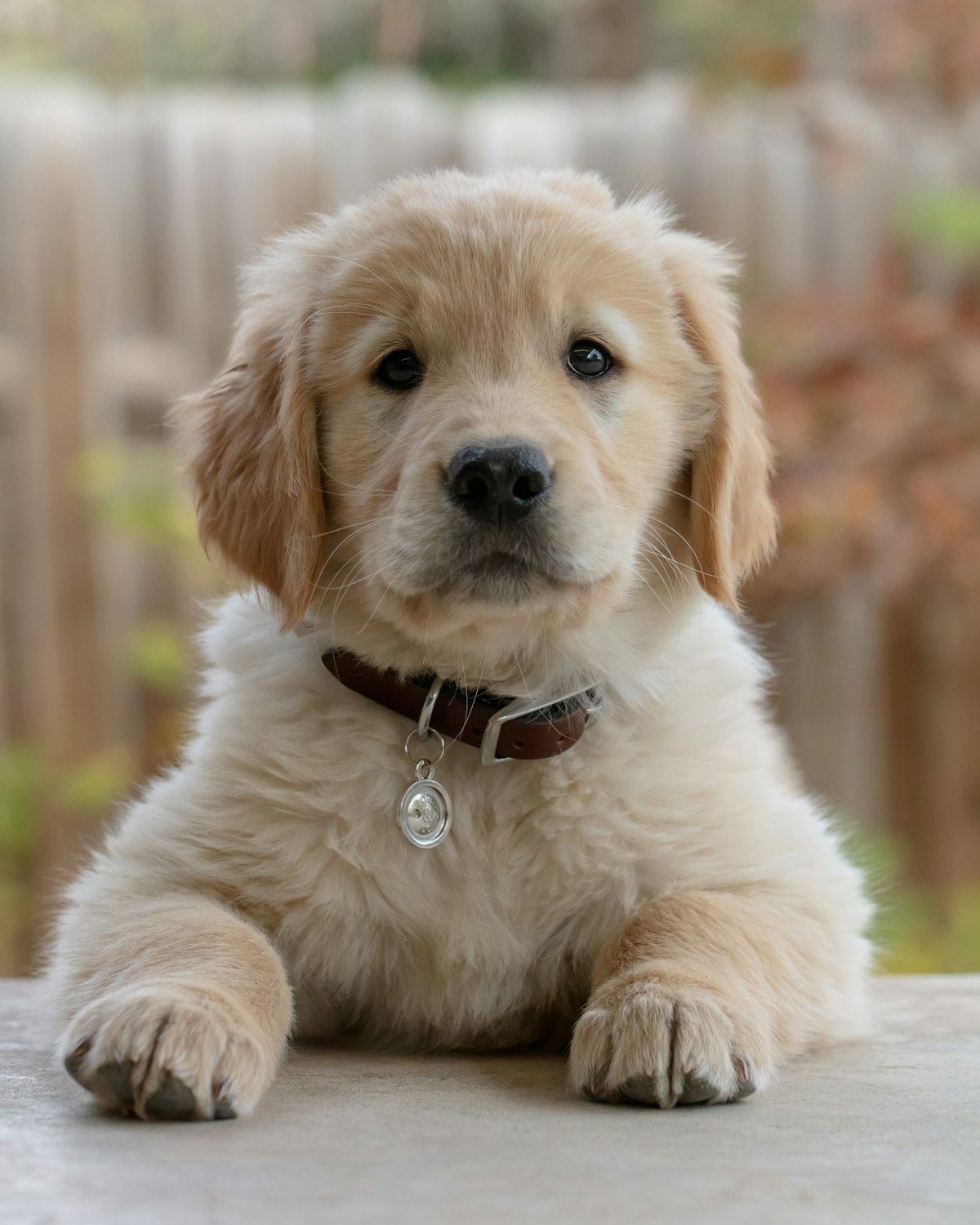
The first year of a dog's life is extraordinary. In twelve months, a puppy transforms from a helpless newborn into a young adult — physically, mentally, and behaviourally. Understanding the stages of that development isn't just interesting; it's essential for raising a well-adjusted, confident adult dog. Get it right in the first year and you lay a foundation that lasts a lifetime.
Here's a guide to the key developmental stages and what matters at each one.
Weeks 0–2: The Neonatal Period
Puppies are born blind, deaf, and unable to regulate their body temperature. At this stage, their world is limited to warmth, smell, touch, and their mother. There's little for an owner to do but ensure the mother is well cared for and the environment is safe, warm, and quiet.
Interestingly, gentle, careful handling during this period — a few minutes a day — has been shown to have mild positive effects on stress resilience later in life. But this should only be done with the breeder's involvement and great care.
Weeks 2–4: The Transitional Period
This is when everything changes. Eyes open, ears open, puppies start to walk (wobbly and uncoordinated), and they begin to interact with their littermates and environment. The world suddenly becomes a place of sights, sounds, and sensations.
By the end of this period, puppies are starting to play, explore, and learn from their mother and siblings — the very beginning of learning how to be a dog.
Weeks 4–14: The Critical Socialisation Period
This is the most important window in a dog's entire life. Between roughly four and fourteen weeks, puppies are primed to accept new experiences as normal. Anything they encounter in a positive way during this window — different people, other dogs, other animals, surfaces, sounds, environments — tends to be accepted as part of normal life forever.
After this window closes, the brain becomes more cautious. New experiences are more likely to be met with suspicion or fear rather than curiosity. This is why early, positive socialisation is so critical — and why puppies who miss it often struggle with fear and reactivity for life.
What to do: If you get your puppy at eight weeks, you have about six weeks of this critical window left. Use it well. Expose your puppy to as many positive experiences as possible — but always at their pace, never forcing anything. This is the single best investment you can make in your dog's future.
Weeks 8–16: Learning Begins
This is when most puppies go to their new homes. It's an exciting and critical time. Your puppy is a learning sponge — capable of absorbing enormous amounts of training and experience, but also vulnerable to picking up bad habits and fears.
Focus on:
- Gentle, positive training — sit, recall, handling, crate training. Keep sessions very short — two to three minutes.
- Ongoing socialisation — continued positive exposure to new people, dogs, and environments.
- House training — consistency and management are key. Accidents will happen; punishment just creates fear and confusion.
- Bite inhibition — taught through play with littermates before you get them, and reinforced through appropriate play with you.
Avoid harsh corrections during this period — your puppy is forming their view of the world and of humans, and negative experiences now can have lasting effects.
Months 4–6: The Juvenile Period
Your puppy is getting bigger, more confident, and — here's the catch — starting to test boundaries. The "obedient" puppy who hung on your every word may suddenly develop selective hearing, start ignoring commands, or rediscover behaviours you thought were long resolved.
This is normal. It's not regression or stubbornness — it's your puppy's brain developing, their confidence growing, and their adolescent hormones starting to kick in. It's the canine equivalent of the teenage years.
What to do: Stay consistent. Don't panic, don't escalate to punishment, and don't assume the training "didn't work." Go back to basics, reward heavily, and ride it out. This is a phase, and how you handle it shapes the adult dog your puppy will become.
Months 6–12: Adolescence
The most challenging period for many owners. Your dog looks almost grown up but their brain is still very much developing — full adult brain maturation doesn't complete until 12–24 months, depending on breed. Hormones are in full swing. Energy levels are high. Boundaries are being tested.
Common challenges during adolescence:
- Recall breakdown — the once-reliable recall may crumble as your dog discovers the joy of independence.
- Reactivity emerging — fears and reactivity that weren't present before may appear, particularly around 6–9 months.
- Increased distraction — everything in the environment is more interesting than you.
What to do: Patience, consistency, and management. Go back to foundation training. Keep rewarding the behaviours you want. Don't let a bad recall turn into a habit — use a long line and set your dog up to succeed. This is the period where many owners give up and where professional help can make an enormous difference.
Beyond the First Year
By twelve to eighteen months, most dogs are settling into their adult personalities. The wild adolescent energy begins to mellow, and the dog you'll live with for the next decade-plus starts to emerge. The training and socialisation you invested in during that first year pays dividends now and for the rest of your dog's life.
The Big Picture
If there's one takeaway, it's this: the first year matters enormously, and it goes fast. Prioritise positive socialisation during the critical window, keep training consistent through the challenges of adolescence, and don't be afraid to seek help when things get difficult.
We work with puppies and adolescent dogs every day, and the earlier we can support good development, the better the outcome. If you're navigating puppyhood and want guidance — or if adolescence is testing your patience — we'd love to help you raise the best dog your puppy can become.